Rainbow Gradient Paper Patterns: Elevating Digital Crafts with Seamless Texture
In the rapidly evolving landscape of digital creativity, the demand for high-quality, versatile assets has never been higher. Whether you are a seasoned scrapbooker, a freelancer designing marketing materials, or an entrepreneur launching a sublimation business, the foundation of your work often comes down to texture and background. This is where Rainbow Gradient Paper Patterns emerge as a critical resource. These aren't just decorative images; they represent a shift toward more dynamic, visually engaging content that resonates with modern audiences who crave vibrancy without sacrificing professionalism.
The concept of seamless digital paper backgrounds has transformed from a niche hobbyist tool into a staple for professional workflows. Today's creators need assets that are not only aesthetically pleasing but also technically robust. The ability to seamlessly tile these patterns across large formats allows designers to create immersive environments for junk journals, party decor, and digital prints without visible seams or interruptions. This capability bridges the gap between traditional craft aesthetics and modern digital production standards.
Understanding the Value of Seamless Digital Assets
What exactly makes a gradient pattern "seamless," and why does it matter so much in contemporary design? A seamless pattern is an image designed so that its edges match perfectly when tiled horizontally and vertically. This means you can stretch the image across a canvas of any size—be it a 12×12″ scrapbook page or a massive banner for a trade show—and the design will flow continuously without jarring breaks. For professionals, this efficiency is invaluable. It eliminates the need to manually stitch textures together, saving hours of editing time while ensuring a polished final product.
Rainbow Gradient Paper Patterns specifically tap into the psychological impact of color. Gradients have evolved from simple two-tone transitions to complex, multi-hued flows that mimic natural light, sunsets, or iridescent surfaces. When applied to paper crafts, these gradients add depth and dimension that flat colors simply cannot achieve. They provide a sophisticated backdrop that draws the eye, making them perfect for highlighting text, framing photos, or creating mood boards that tell a story.
The Evolution of Creative Workflows
The way we create has changed dramatically over the last decade. In the past, achieving a specific look required physical resources: buying rolls of specialty paper, printing custom textures, or hand-painting backgrounds. Now, digital assets allow for instant iteration and experimentation. The trend toward "digital-first" planning, particularly in the realm of junk journaling and hybrid crafting, has accelerated the adoption of high-resolution digital papers.
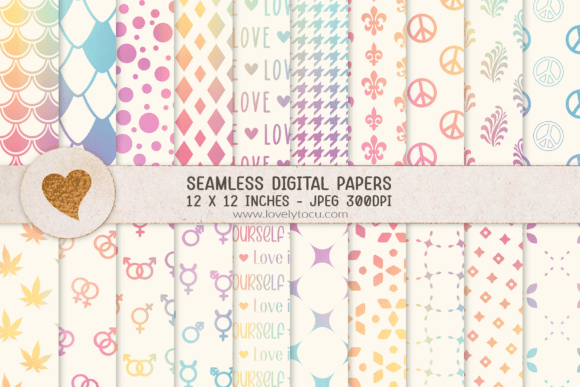
Modern creators expect flexibility. A single set of digital papers needs to serve multiple purposes: a quick mockup for a client presentation, a print-ready file for a physical product, and a background for social media graphics. The integration of 20 seamless papers in a single download addresses this need for variety. Instead of hunting through dozens of different files to find the right shade of blue or pink, having a curated collection ensures consistency in style while offering enough variation to keep projects fresh.
This evolution reflects a broader market preference for speed and quality. Entrepreneurs selling on platforms like Etsy or Shopify rely on sublimation and print-on-demand services. These businesses require files that are crisp, scalable, and ready for immediate use. The transition from analog to digital has democratized design, allowing anyone with a computer to produce results that previously required a professional studio setup.
Technical Specifications That Drive Professional Results
While the visual appeal is important, the technical specifications of digital assets determine their utility. When evaluating a product like this collection, the specs are non-negotiable for serious users. The inclusion of JPG file format ensures universal compatibility. Unlike proprietary formats that require specific software to open, JPGs can be opened in any image editor, word processor, or design application, from Adobe Photoshop to Microsoft Word and Canva.
The resolution of 300dpi is the industry standard for high-quality printing. This density ensures that when you print your designs, the lines remain sharp and the colors do not pixelate, even at close range. For sublimation projects, where ink is transferred onto fabric or hard substrates under heat, a lower resolution would result in a blurry, unprofessional finish. By guaranteeing 300dpi, these patterns ensure that the final output looks as good on a t-shirt or a ceramic mug as it does on a screen.
Furthermore, the dimensions of 12×12″ are significant. This is the standard size for most scrapbooking layouts, album pages, and card-making templates. Having the files pre-sized to this common dimension means creators can drop them directly into their project templates without needing to resize, crop, or adjust aspect ratios. This attention to detail reduces friction in the creative process, allowing the user to focus on the artistic elements rather than technical adjustments.
Practical Applications Across Industries
The versatility of these digital papers extends far beyond personal hobbies. Let's look at how different professionals utilize such assets in their daily workflows:
- Scrapbookers and Junk Journalers: For those who blend physical and digital media, these patterns serve as the base layer for collages. They can be printed out and cut, or used as overlays in digital journaling apps to add a pop of color behind handwritten notes and ticket stubs.
- Sublimation Artists: Small business owners creating custom apparel or home decor items rely on these backgrounds to create unique patterns for mugs, tumblers, and tote bags. The rainbow gradients offer a trendy, youthful aesthetic that appeals to a wide demographic.
- Event Planners and Decorators: Party decor is increasingly personalized. Designers use these seamless backgrounds to create custom invitations, table runners, and backdrop wallpapers for photo booths. The ability to scale the pattern infinitely ensures it fits any venue size.
- Marketers and Bloggers: Content creators need engaging visuals to break up text and hold reader attention. Using these gradients as headers, footers, or background textures for infographics adds a layer of polish that elevates brand perception.
- Educators: Teachers designing lesson plans, worksheets, or classroom decorations can use these patterns to make learning materials more inviting. Bright, colorful backgrounds can help capture the attention of younger students or make adult education materials feel less sterile.
Why Rainbow Gradients Are Trending Now
The resurgence of vibrant, multi-colored gradients aligns with current cultural shifts toward optimism and self-expression. After years of minimalism and muted earth tones, there is a palpable desire for color in both digital and physical spaces. This "maximalist" approach doesn't mean clutter; it means using bold, intentional hues to convey energy and joy. Rainbow Gradient Paper Patterns cater perfectly to this sentiment.
In the context of SEO and digital visibility, color plays a crucial role. Designs that incorporate bright, varied gradients tend to perform better on visual-heavy platforms like Pinterest and Instagram. They stand out in crowded feeds and encourage clicks. For bloggers and marketers, understanding this trend is essential for creating content that is not only helpful but also shareable.
Moreover, the inclusivity of rainbow themes resonates with diverse audiences. These patterns are gender-neutral and culturally adaptable, making them suitable for a vast array of projects ranging from baby showers and birthday parties to corporate branding and educational materials. This universality increases the return on investment for creators purchasing these assets, as one set can be utilized across multiple demographics.
Maximizing Your Creative Potential
To get the most out of a collection featuring 20 seamless papers, consider experimenting with layering. Don't just use the gradient as a flat background. Try placing semi-transparent shapes, typography, or photographs over the top. The smooth transitions of the gradient allow underlying layers to show through subtly, creating a sense of depth. In sublimation, you might combine these patterns with other vector graphics to create all-over prints that cover an entire surface area.
For the tech-savvy user, remember that because these are JPG files, they can be easily integrated into automated workflows. If you run a print-on-demand store, you can script these images to be automatically placed on product mockups, streamlining your inventory management. For the hobbyist, they offer endless possibilities for mixed-media art, providing a consistent theme that ties disparate elements together.
Ultimately, the value of Rainbow Gradient Paper Patterns lies in their ability to simplify the complex. They remove the guesswork from background creation and provide a reliable, high-quality foundation for any project. Whether you are building a business, documenting your life, or simply exploring your creativity, having access to professional-grade, seamless textures empowers you to execute your vision with confidence. As we move forward into a future where digital and physical worlds continue to merge, the tools that facilitate this connection become ever more vital. These papers are more than just images; they are the building blocks of modern visual communication.