Pink Rose Pink Hydrangea Patterns
In the landscape of digital asset creation and print-on-demand commerce, the difference between a mediocre product and a standout item often lies in the quality and specificity of the visual assets. For entrepreneurs, designers, and hobbyists alike, sourcing high-resolution, commercially viable patterns is a critical step in the production pipeline. This is where Pink Rose Pink Hydrangea Patterns enters the workflow as a specialized resource designed to streamline the creative process for textile and packaging design.
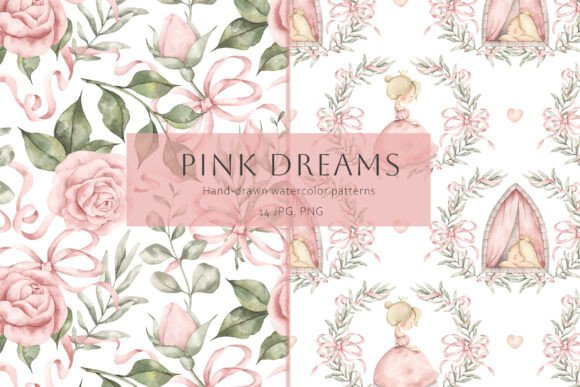
This collection is not merely a decorative image; it is a functional tool for creators who need consistent, high-quality botanical motifs without the time investment of designing from scratch. The aesthetic combines the classic elegance of pink roses with the lush, textured volume of hydrangeas, creating a romantic yet sophisticated visual theme that appeals to a broad demographic. By integrating this pattern into your business or creative projects, you can significantly reduce the pre-production phase, allowing more focus on marketing, customer acquisition, and brand building.
Technical Specifications and Asset Integrity
Before diving into application, it is essential to understand the technical foundation of the asset. In professional printing and digital design, resolution and file format are non-negotiable standards. The Pink Rose Pink Hydrangea Patterns package is engineered to meet these industry standards directly.
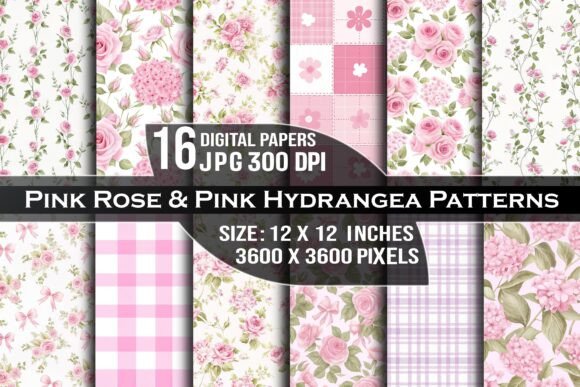
You will receive 16 distinct images, all provided in JPG format. While PNG is often preferred for transparency, JPG is the standard for solid-color background patterns used in textiles and large-format printing. Each image is rendered at 300 DPI (dots per inch), which is the gold standard for high-quality physical prints. At this resolution, the intricate details of the rose petals and hydrangea clusters remain crisp and clear, even when scaled up for larger items.
The dimensions are set at 12″ x 12″ (3600×3600 pixels). This square aspect ratio is particularly versatile. It allows for easy tiling in seamless pattern software, ensuring that when the design wraps around a cylinder (like a mug) or repeats across a fabric roll, there are no visible seams or awkward breaks. The size is large enough to provide sufficient detail but small enough to be manageable in most graphic design applications like Adobe Photoshop, Illustrator, or Canva.
Workflow Integration: From Download to Production
Integrating digital assets into a production workflow requires a systematic approach to ensure efficiency and consistency. The delivery method for this product—a single ZIP file containing all 16 images—facilitates a clean organizational structure.
Preparation and Organization
Upon purchase, the first step in your workflow should be extraction and categorization. Do not leave the files in a generic "Downloads" folder. Create a dedicated directory structure within your project management system or local drive. A suggested hierarchy might look like this:
- /Assets/Botanical/Pink_Rose_Hydrangea/
- Source_ZIP_File.zip
- Preview_Screenshots.jpg
- High_Res_Images/ (containing the extracted 3600x3600 JPGs)
This level of organization is crucial for long-term usability. As your portfolio grows, having a standardized naming convention and folder structure allows you to retrieve assets quickly during peak production times. When you are preparing a mockup for a client or listing a new product on an e-commerce platform, you do not want to waste valuable minutes searching for the correct file version.
Compatibility and Software Interaction
The 300 DPI JPG files are compatible with virtually all major design platforms. Whether you are using industry-standard tools like Adobe Creative Cloud or user-friendly web-based editors like Canva, the integration is seamless. However, users should be aware of how their specific software handles large image files.
If you are working in raster-based programs like Photoshop, ensure your document canvas is set to the appropriate print size. If you intend to use these patterns for sublimation printing on apparel, you may need to scale the 12x12 inch source file up to fit the specific dimensions of your garment blanks (e.g., a full-front print on a hoodie). Because the source is high-resolution, scaling up by 200% or 300% will generally maintain acceptable quality, though always perform a test print before committing to a full production run.
Strategic Use Cases Across Industries
The versatility of the Pink Rose Pink Hydrangea Patterns makes it suitable for a wide array of commercial applications. Understanding where this pattern fits best helps in targeting the right market segments and optimizing product listings.
Apparel and Textile Design
One of the primary markets for floral patterns is AOP (All-Over Print) clothing. The romantic nature of pink roses and hydrangeas resonates strongly with feminine fashion lines, including dresses, blouses, and summer loungewear. The pattern’s density and color palette work well on lightweight fabrics like chiffon, silk, and cotton blends.
For manufacturers, the 12x12 inch tile size is ideal for creating seamless repeats. You can input the pattern into CAD (Computer-Aided Design) software for textiles to generate yardage rolls. The consistency of the 300 DPI resolution ensures that the color fidelity remains high across thousands of yards of fabric, which is critical for maintaining brand integrity.
Home Decor and Soft Goods
Beyond apparel, the home decor sector offers significant opportunities. Blankets, throw pillows, and curtains are high-margin products that benefit from rich, detailed patterns. The hydrangea motif adds a sense of luxury and comfort, making it an attractive choice for nursery decor, bridal showers, and spring-themed home collections.
When designing for soft goods, consider the tactile experience. Floral patterns often pair well with plush materials like minky fabric or velvet. The visual softness of the flowers complements the physical softness of the material, creating a cohesive sensory experience for the end consumer. Ensure that your mockups reflect the texture of the fabric to give potential buyers a realistic preview of the final product.
Packaging and Gift Wrapping
In the age of unboxing experiences, packaging has become a marketing channel in itself. Businesses selling beauty products, jewelry, or artisanal goods often seek custom wrapping paper or tissue paper to enhance perceived value. The Pink Rose Pink Hydrangea Patterns provides a ready-made solution for brands looking to convey elegance and care.
Because the pattern is contained within a square tile, it can be easily repeated across large sheets of wrapping paper without complex vector tracing. This reduces the cost and time associated with custom packaging design. For small businesses, using a high-quality pre-made pattern allows them to compete with larger brands that have extensive design budgets, providing a professional finish to their shipments.
Stationery and Invitations
The stationery market, particularly for weddings and formal events, relies heavily on floral aesthetics. Invitations, save-the-dates, and thank-you cards benefit from the sophisticated look of this pattern. The pink tones are versatile, ranging from soft blush to vibrant magenta, allowing them to fit various wedding color palettes.
Designers can use these images as backgrounds for text overlays. The high resolution ensures that any added typography remains sharp and legible. It is advisable to place text areas over slightly muted sections of the pattern if the floral density is high, ensuring readability while maintaining the visual appeal of the design.
Quality Control and Best Practices
To maximize the value of the Pink Rose Pink Hydrangea Patterns, adhere to strict quality control measures throughout your production process.
Color Calibration: Digital screens display colors differently than physical printers. Always proof your designs on the actual material before mass production. The RGB values of the JPG files may shift slightly when converted to CMYK for professional printing. Adjusting colors in your design software to match the target print profile will prevent unexpected hue shifts, particularly in the pinks and greens.
Seam Testing: Before uploading a pattern to a print-on-demand service, create a small swatch to check for seamless tiling. Zoom in to 100% on your screen to inspect the edges of the 12x12 inch tiles. Any misalignment or visible grid lines should be corrected in your design software before finalizing the asset.
Licensing Awareness: While this product provides high-resolution images for commercial use, always review the specific license terms provided by the seller. Most such assets allow for unlimited commercial use on physical goods, but restrictions may apply to digital resale or redistribution of the raw files themselves. Ensuring compliance protects your business from legal issues and maintains ethical standards in your supply chain.
Conclusion
The Pink Rose Pink Hydrangea Patterns asset represents a practical, efficient solution for creators looking to elevate their product offerings. By providing 16 high-resolution, professionally tiled images, it removes the technical barriers associated with pattern creation. Whether you are streamlining your apparel line, enhancing your home decor catalog, or refining your packaging strategy, this pattern integrates smoothly into existing workflows. Its compatibility with standard design tools and its suitability for diverse applications make it a valuable addition to any designer’s resource library. Focus on execution, maintain rigorous quality control, and leverage this asset to deliver consistent, high-quality products to your audience.