Grandmillennial Patterns
In the landscape of modern design, Grandmillennial Patterns represent a distinct shift away from the stark minimalism that dominated the early 2010s. This aesthetic movement embraces "more is more," characterized by chintz florals, cottagecore calm, and shabby chic nostalgia. For professionals and creators, understanding this style is not merely about following a trend; it is about integrating a specific visual language into a cohesive workflow that resonates with an audience seeking warmth, tradition, and romantic charm.
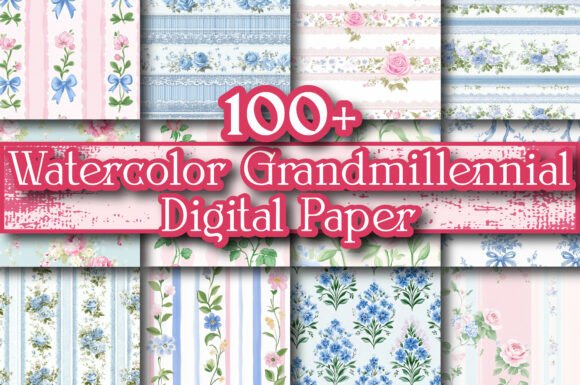
The core of this aesthetic lies in its ability to blend old-world aesthetics with contemporary functionality. When you integrate hand-painted watercolor designs featuring delicate pastels, dusty rose, soft pinks, and classic blues into your projects, you are making a strategic decision to evoke emotion. Whether you are designing branding elements for a boutique or creating digital backgrounds for a lifestyle blog, these patterns offer a soft, feminine look that fits effortlessly into various creative contexts. The key to successful implementation lies in recognizing where these textures fit within your broader production pipeline.
Strategic Integration in Creative Workflows
For designers and entrepreneurs, the application of Grandmillennial Patterns should be viewed as a phase in the project lifecycle rather than an isolated task. In the preparation stage, selecting the right pattern set establishes the tonal foundation for the entire campaign. Before a single asset is exported, consider how the specific color palette interacts with your existing brand guidelines. If your current identity is too corporate or cold, introducing these vintage-inspired textures can humanize your brand without compromising professionalism.
During the execution phase, the versatility of these designs becomes apparent. They function effectively as background layers in complex compositions. For instance, when developing invitations or digital cards, using a subtle watercolor floral texture behind typography can add depth without overwhelming the message. The process requires careful layering; the pattern must support the content, not compete with it. This balance is crucial for maintaining readability and ensuring that the final output feels polished rather than cluttered.
Furthermore, these patterns interact seamlessly with other digital assets. When working on mixed-media projects, they serve as excellent base layers for decoupage techniques or digital overlays. By treating them as foundational elements, creators can build upon them with vector graphics, handwritten scripts, or photographic elements. This approach allows for a dynamic workflow where traditional artistry meets modern digital tools, resulting in products that feel both handmade and scalable.
Practical Applications Across Industries
The utility of Grandmillennial Patterns extends far beyond simple decoration. For small business owners and makers, these designs are integral to product differentiation. Consider the packaging sector: wrapping paper, product tags, and boxes adorned with these motifs can transform a standard commodity into a luxury experience. In the wedding industry, place cards, menus, and stationery benefit significantly from the romantic charm of chintz florals. The consistency of applying these patterns across all touchpoints—from physical mailers to email headers—reinforces brand recognition and creates a memorable customer journey.
In the realm of physical goods, sublimation printing offers a robust method for bringing these digital assets to life. Tumblers, t-shirts, mugs, and cushions become canvases for this style. The process involves preparing high-resolution files that account for fabric grain or ceramic curvature. Designers must ensure that the scale of the floral elements remains appropriate for the surface area. A pattern that looks elegant on a large journal cover might need adjustment to avoid looking muddy on a small jewelry box. Testing prototypes before full-scale production is a critical step in quality control.
Educators and bloggers also find value in this aesthetic. Creating downloadable resources, such as coloring book covers, planners, or digital wallpapers, allows for a unique market niche. The "cozy" aspect of the style appeals to users looking for relaxation and productivity aids. By offering journals with hardcovers featuring these designs, publishers cater to the growing demand for tangible, aesthetically pleasing tools for organization and reflection. The integration of these patterns into educational materials can make learning environments feel more inviting and less sterile.
Technical Considerations and Asset Management
Efficiency in using Grandmillennial Patterns depends heavily on proper asset management. Since these designs often involve complex watercolor details, file size and resolution are paramount. For print applications, ensuring that images are at least 300 DPI is non-negotiable to prevent pixelation. For web use, optimizing for screen display while maintaining color fidelity ensures that the soft pinks and dusty roses appear true to the original vision. Organizing these assets into categorized folders based on color schemes or motif types streamlines the retrieval process, saving valuable time during tight deadlines.
Compatibility is another factor to consider. When importing these patterns into design software, check how they handle transparency and blending modes. Some watercolor effects rely on specific opacity settings to achieve the desired "washed" look. Understanding the technical behavior of these files allows for smoother experimentation. For example, using overlay or multiply modes can help integrate the pattern with underlying text or imagery, creating a unified composition that feels intentional rather than accidental.
Long-term usability is essential for sustainable design practices. Trends cycle, but the Grandmillennial style has roots in historical design movements that have proven endurance. By investing in high-quality, versatile pattern sets now, creators can maintain a consistent visual identity over years of work. This longevity reduces the need for constant rebranding and allows for the accumulation of a recognizable portfolio style. It is a strategic investment in the visual equity of a creator's brand.
Enhancing User Engagement Through Visual Storytelling
From a marketing perspective, the emotional resonance of Grandmillennial Patterns drives engagement. Audiences today crave authenticity and connection. A website or social media feed populated with these warm, nostalgic visuals invites users to pause and linger. This psychological effect is particularly useful for lifestyle brands, craft businesses, and wellness coaches. The visual language speaks directly to desires for comfort and beauty, encouraging deeper interaction with the content.
When planning a content calendar, consider alternating between bold photography and these textured backgrounds. Using a pattern as a backdrop for quotes or announcements can break up visual monotony. In video editing, these patterns can serve as transitions or lower-third graphics, adding a layer of sophistication to the production value. The key is to use them purposefully, ensuring that every application aligns with the overall narrative and brand voice.
Ultimately, the success of integrating Grandmillennial Patterns comes down to thoughtful execution. It is not enough to simply apply a floral texture; one must understand the context in which it appears. Whether you are crafting a custom gift, designing a corporate invitation suite, or launching a new product line, these patterns provide a framework for elegance and charm. By approaching them as functional components of a larger system, creators can unlock their full potential.
As you move forward with your next project, keep the principles of preparation, compatibility, and consistency in mind. Let the romantic charm of traditional floral wallpapers guide your decisions, but always prioritize the clarity of your message. With the right tools and a clear workflow, the timeless beauty of these designs can elevate your creative vision, turning ordinary outputs into extraordinary experiences. Embrace the blend of vintage and modern, and watch as your projects come to life with a renewed sense of purpose and style.