Chinoiserie Floral Patterns: A Timeless Design Revolution
In a world saturated with minimalist trends and stark geometric layouts, Chinoiserie Floral Patterns offer a refreshing return to ornate storytelling. These designs are more than just decorative motifs; they represent a centuries-old dialogue between East and West, blending the delicate botanical precision of Oriental art with the romantic, rustic elegance of French Toile de Jouy. For creators, entrepreneurs, and hobbyists alike, integrating these intricate florals into your projects adds an immediate layer of sophistication and historical depth that few other styles can match.
The allure of Chinoiserie lies in its ability to transport viewers to a bygone era of porcelain trade routes and imperial gardens. Whether you are drawn to the classic blue-and-white aesthetic reminiscent of Ming Dynasty ceramics or the soft, narrative scenes typical of 18th-century French textiles, these patterns provide a versatile foundation for almost any creative endeavor. They bridge the gap between vintage charm and contemporary design, making them exceptionally useful for modern branding, digital content, and physical product development.
Understanding the Artistry Behind the Pattern
To truly harness the power of Chinoiserie Floral Patterns, one must appreciate their unique composition. Unlike standard floral prints that might rely on simple repetition, Chinoiserie is characterized by its asymmetry, exoticism, and intricate detail. You will often find stylized peonies, lotus blossoms, and bamboo stalks interwoven with mythical birds, pagodas, and figures engaged in leisurely pursuits. This complexity creates a visual rhythm that is both busy enough to hold attention yet balanced enough to remain elegant.
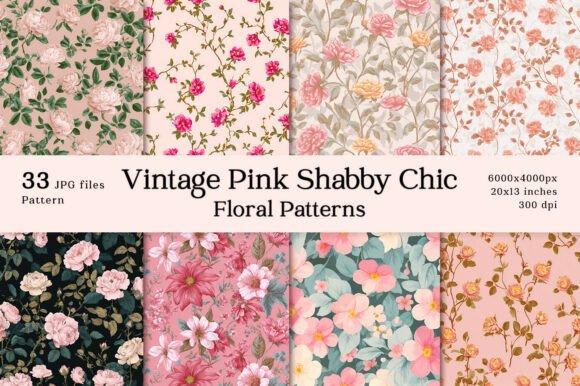
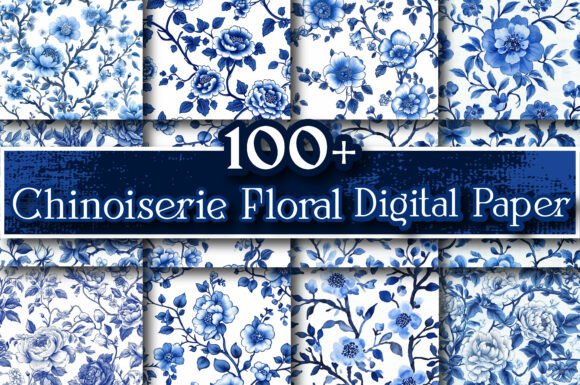
The color palette is equally significant. While the iconic cobalt blue against crisp white remains a staple, the style has evolved to include soft pastels, muted golds, and earthy terracottas. This adaptability allows the pattern to fit seamlessly into various interior design schemes, from shabby chic living rooms to modern boutique retail spaces. The strength of this design language is its emotional resonance; it evokes feelings of tranquility, luxury, and timeless beauty without appearing dated.
Key Characteristics That Drive Engagement
- Intricate Detailing: High-resolution versions reveal layers of texture and fine lines that reward close inspection, increasing user dwell time on websites or engagement with physical products.
- Cross-Cultural Appeal: The fusion of Eastern and Western aesthetics makes these patterns universally recognizable and appreciated across diverse demographics.
- Narrative Potential: Many designs tell a story through their imagery, providing a natural hook for marketing copy or educational materials.
- Versatile Scaling: From tiny motifs suitable for stationery to large-scale repeats for wallpaper, the pattern scales effectively without losing its integrity.
Practical Applications for Professionals and Creators
The utility of Chinoiserie Floral Patterns extends far beyond mere decoration. In the professional sphere, these designs serve as powerful tools for differentiation. Consider a small business owner launching a line of artisanal teas or high-end skincare. Using Chinoiserie-inspired packaging immediately signals quality, heritage, and attention to detail. It elevates the perceived value of the product, allowing brands to command higher price points while fostering a sense of exclusivity.
For marketers and bloggers, incorporating these patterns into digital assets can significantly enhance brand identity. Imagine a newsletter header featuring a subtle, repeating motif of cherry blossoms and cranes. This visual consistency reinforces brand recall and sets a sophisticated tone for the content within. Similarly, educators can utilize these designs to create engaging worksheets or presentation slides that capture student interest through their artistic richness, turning routine learning materials into something visually stimulating.
Diverse Use Cases Across Industries
- E-Commerce and Branding: Create cohesive visual identities for online stores. Use the patterns as backgrounds for product photography, custom packaging inserts, or website headers to establish a distinct market niche.
- Event Planning and Stationery: Weddings, birthdays, and corporate galas benefit immensely from the romantic nature of Chinoiserie. Invitations, place cards, and table settings adorned with these florals create an immersive atmosphere that guests remember.
- Home Decor and DIY Projects: Enthusiasts can transform ordinary furniture through decoupage, apply wall stickers for temporary accents, or craft unique gift tags. The pattern works beautifully on fabrics, adding a touch of luxury to curtains, cushions, or clothing.
- Digital Products and Sublimation: Print-on-demand businesses thrive when offering unique designs. Sublimate these patterns onto tumblers, mugs, and t-shirts. The detailed nature of the artwork ensures it looks sharp even on curved surfaces, appealing to customers looking for personalized gifts.
- Educational Materials: Publishers and teachers can use these designs for coloring book covers, journaling prompts, or educational posters about botany and cultural history, making learning materials more inviting.
Strategic Implementation and Best Practices
While the aesthetic appeal is undeniable, successful implementation requires strategic thinking. When selecting Chinoiserie Floral Patterns for commercial or professional use, resolution is paramount. Blurry or pixelated details can undermine the premium feel the design intends to convey. Always source high-quality vector files or high-resolution raster images to ensure crisp printing on everything from business cards to large-format banners.
Another critical consideration is balance. Because Chinoiserie patterns are inherently detailed, they should not be overused. In web design, for instance, using the pattern as a full-page background can make text difficult to read. Instead, consider using it as a border, a footer accent, or a subtle backdrop behind specific call-to-action buttons. This approach maintains the visual impact without compromising usability or accessibility.
Furthermore, authenticity matters. Ensure that the motifs you choose respect the cultural origins of the style. Avoid mixing incompatible elements that dilute the aesthetic integrity. Whether you are designing a logo or wrapping paper, the goal is to honor the tradition of the style while adapting it to modern needs. By doing so, you create work that feels both respectful and innovative.
Maximizing Value Through Versatility
The true power of these designs lies in their cross-platform potential. A single set of Chinoiserie Floral Patterns can be adapted for multiple channels. A wedding invitation suite can share the same floral motif as the corresponding website landing page and the thank-you notes sent afterward. This consistency builds a strong, unified brand experience that resonates with your audience. For freelancers and agency owners, having a library of these versatile patterns means you can quickly pivot to meet client needs, whether they require a retro vibe for a boutique hotel or a refined look for a luxury jewelry brand.
In conclusion, Chinoiserie Floral Patterns offer a rich resource for anyone looking to infuse their work with elegance and character. By understanding their history, respecting their details, and applying them strategically, you can create designs that stand out in a crowded marketplace. Whether you are crafting a handmade card, launching a new product line, or simply redecorating your home, the timeless beauty of these patterns provides a solid foundation for creativity and success.